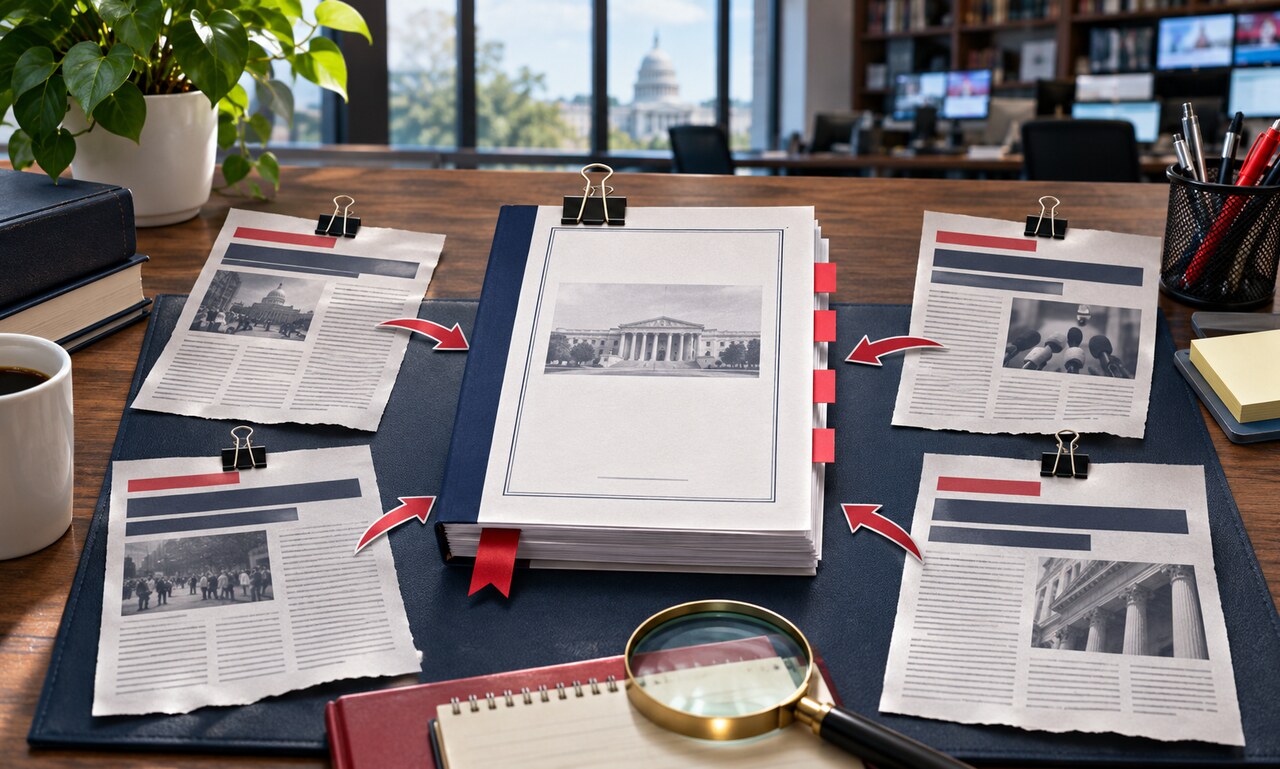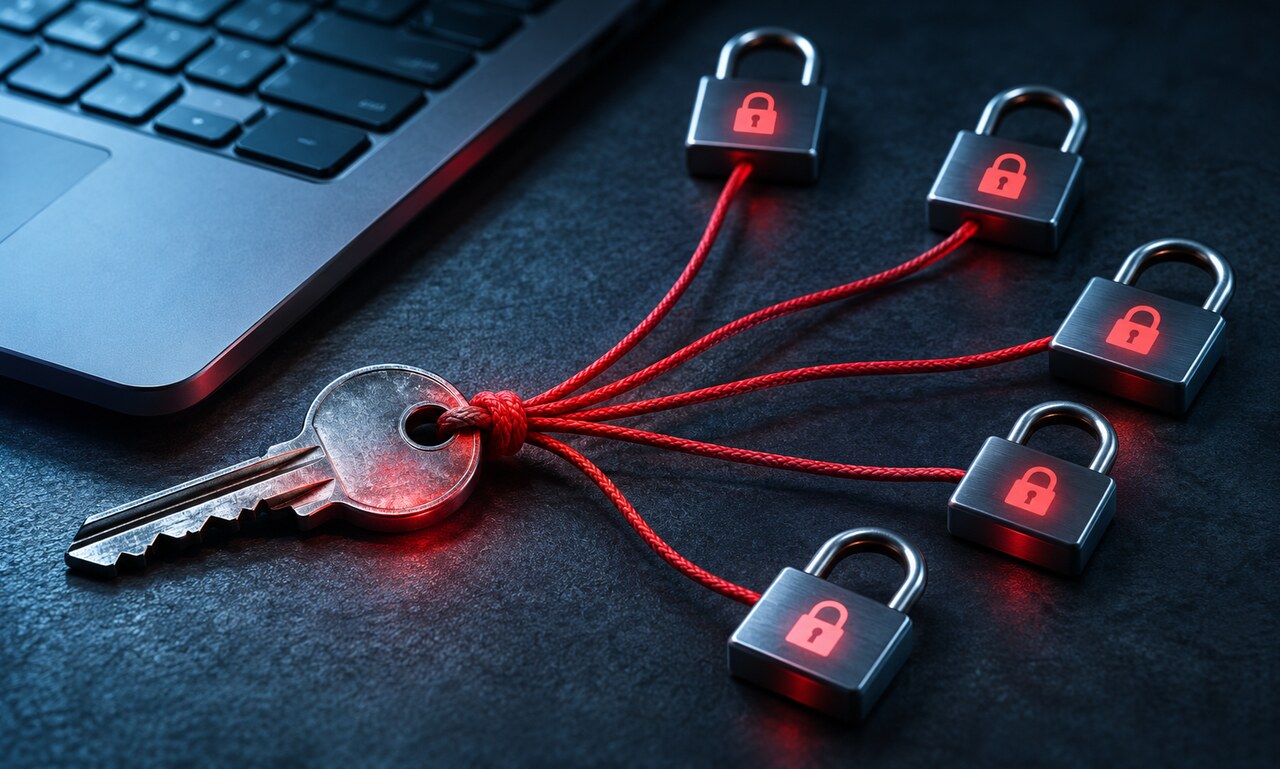
A stolen or accidentally exposed dataset can reveal misconduct, weak security or a matter of genuine public concern. Reporting on that event does not require turning the publication into another distribution point for the private material.
Addresses, identification numbers, medical details, account credentials and intimate messages can create continuing risk for people who had no role in the underlying wrongdoing. Repeating them expands the audience and makes removal harder.
Verify the material without uploading the full archive. Work from controlled copies, limit access inside the newsroom and consult specialists when opening unfamiliar files. A leak can include malware, fabricated records or altered context alongside authentic documents.
Publish the smallest amount needed to establish the important fact. Redact irrelevant personal details, paraphrase sensitive passages and explain the verification method without revealing information that enables further intrusion.
The source of the leak and the public-interest value remain reportable questions. Restraint protects victims while preserving accountability. Possessing private data is not, by itself, a reason to expose it again.
Original educational commentary by Breaking Click. This explainer is designed to help readers evaluate information more carefully.