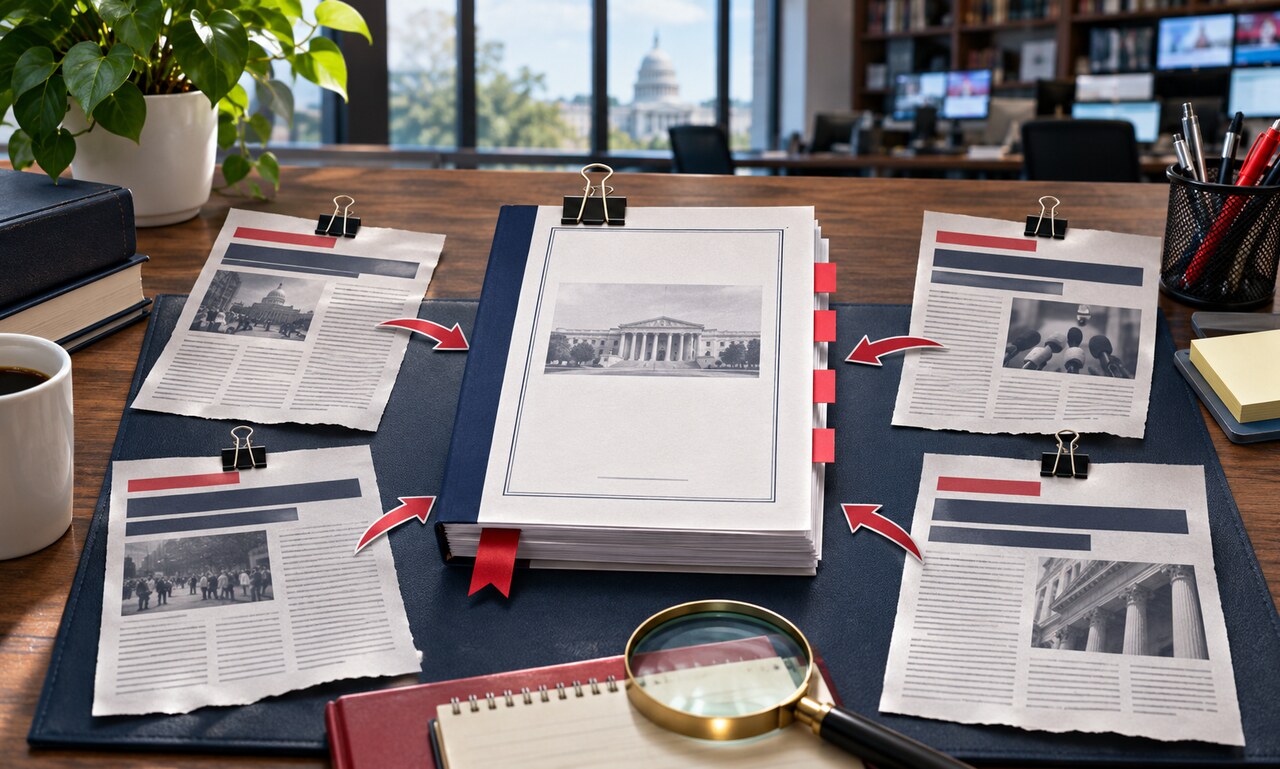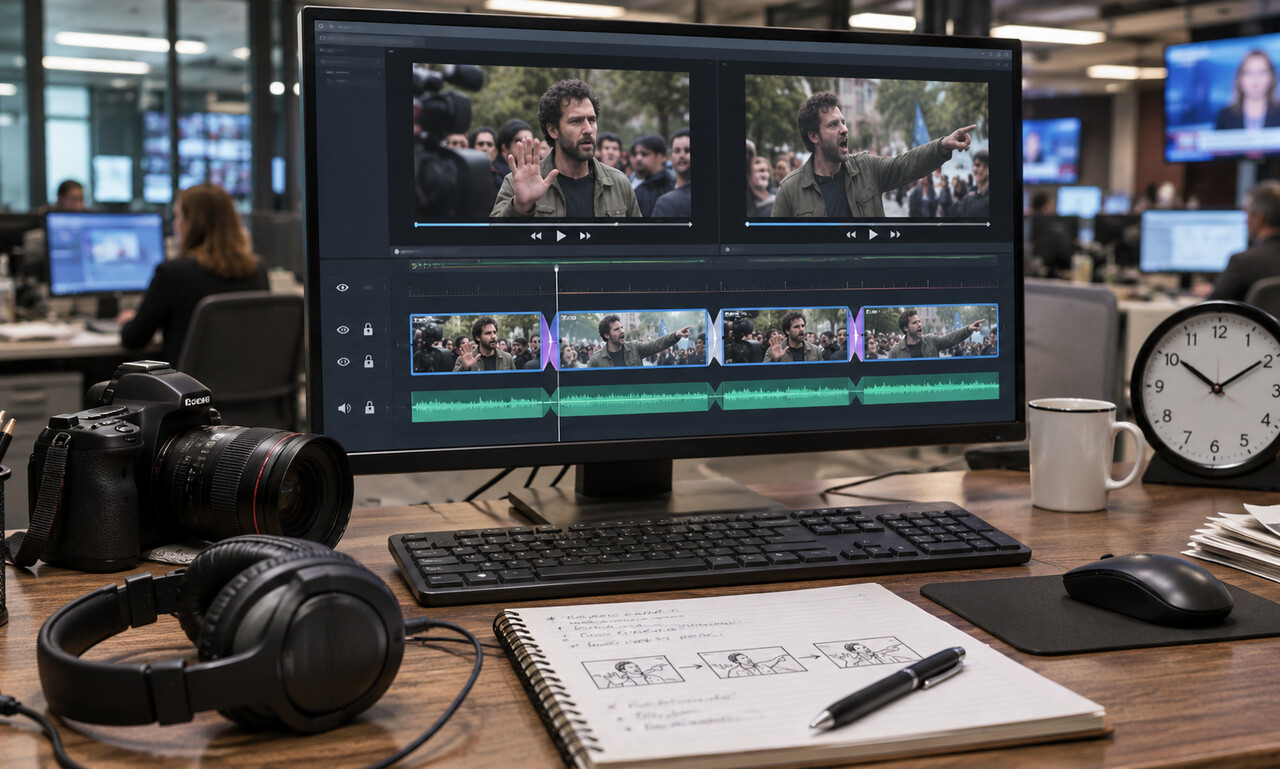
A recording can contain genuine sights and sounds while presenting them in a misleading order. Removing a pause, moving a response beside a different question or combining moments from separate parts of an event can create a sequence that never happened as shown.
Begin by looking for the longest available version. Compare the opening and closing frames, listen for abrupt changes in background sound and note whether people or objects shift unexpectedly. These clues do not prove deceptive editing, but they identify places where the sequence needs explanation.
Chronology matters as much as authenticity. Establish when each clip was captured, whether the camera stopped and who supplied the file. Captions, timestamps and a continuous wide shot can help, while a waveform or edit timeline may reveal cuts that are difficult to hear.
Quotations from recordings should preserve the speaker’s meaning. If words have been removed for length, the edit should not connect statements that answered different questions or conceal a qualification. Ellipses and clear descriptions of cuts help readers understand what they are receiving.
The practical conclusion is simple: genuine material is not automatically a complete account. Verify the source, reconstruct the order and check the missing minutes before treating a short clip as proof of what happened.
Original educational commentary by Breaking Click. This explainer is designed to help readers evaluate information more carefully.