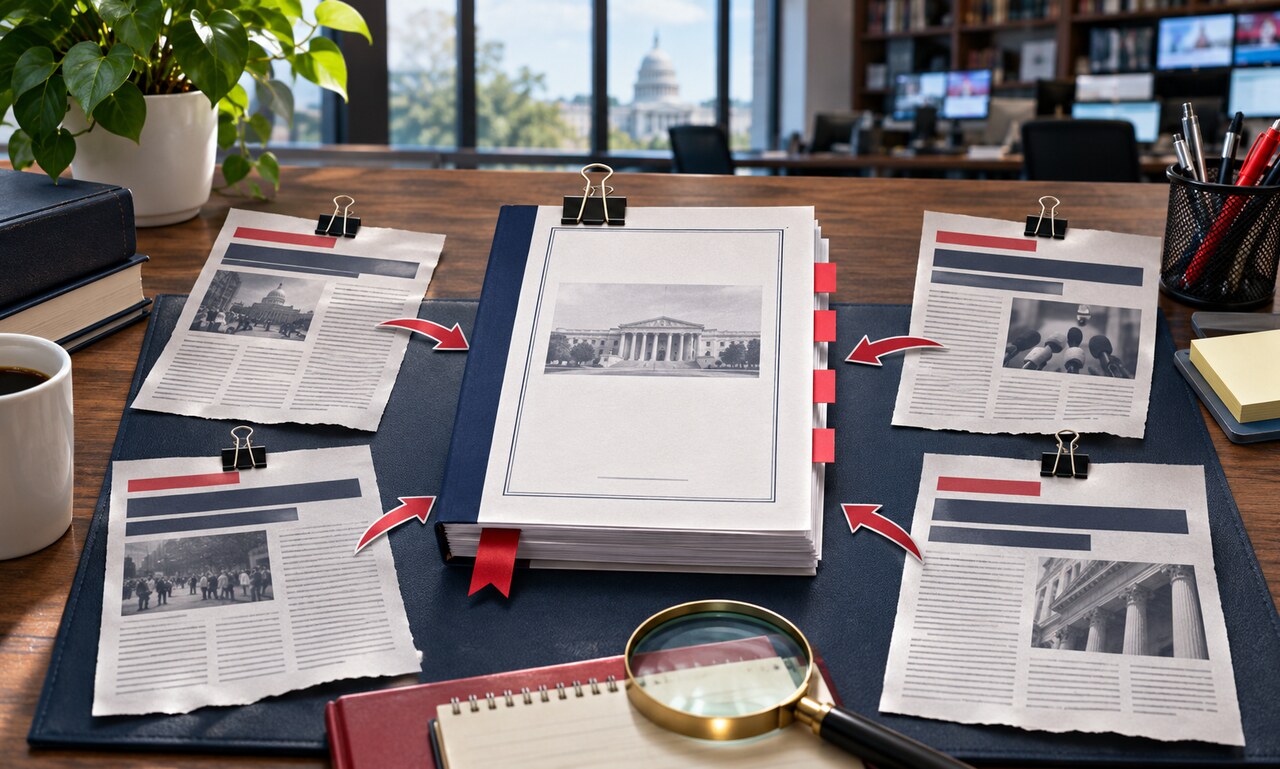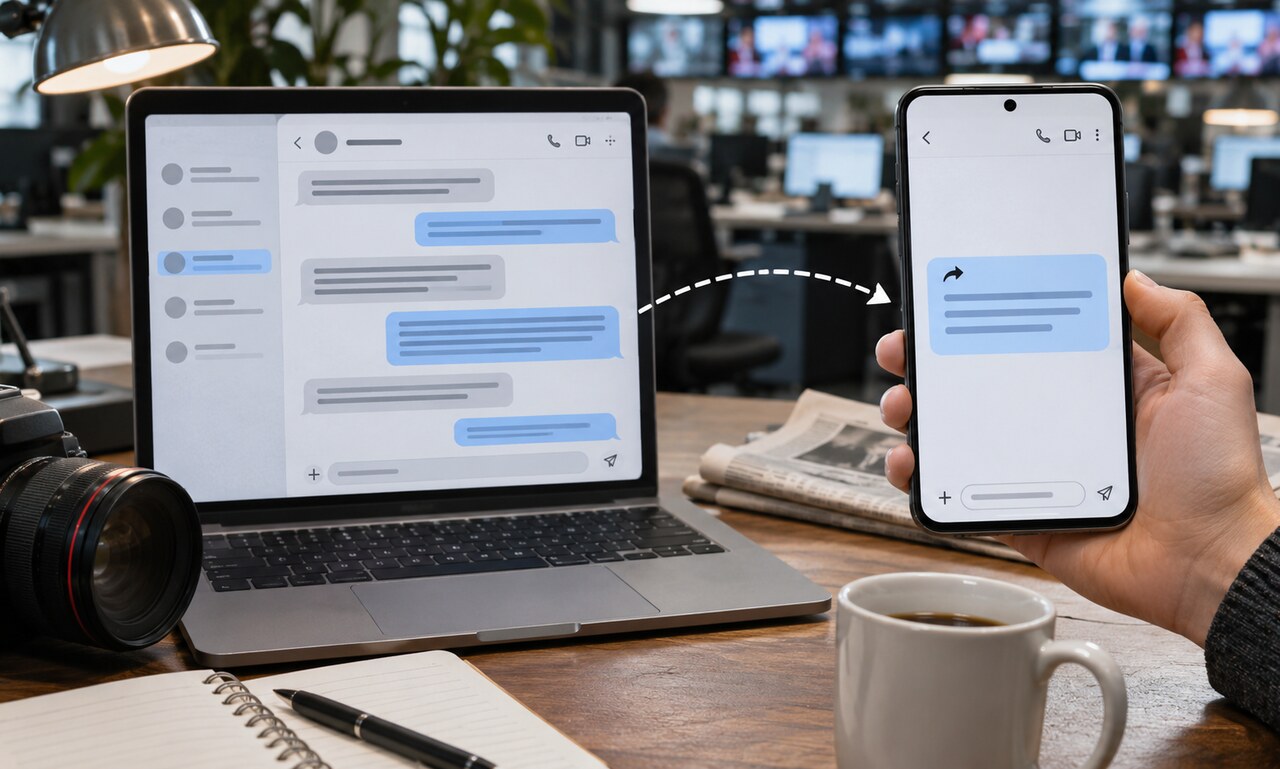
A forwarded message often arrives as a clean block of text or a cropped screenshot. That simplicity can make it feel complete even when the original conversation included questions, jokes, corrections or conditions that changed its meaning.
The words themselves may be authentic. The problem is selection. A sender can forward one answer without the question it answered, remove a timestamp or omit the later message where the speaker corrected an error.
Ask for the conversation immediately before and after the excerpt. Check the participants, date, platform and forwarding path. If the material is sensitive, verify it with someone who saw the original thread rather than relying on repeated copies.
Look for visual clues that content was stitched together or captured from different screens. Changes in spacing, interface elements and time formats may reveal missing sections, but they should prompt more checking rather than an instant conclusion.
Report only what the available exchange supports. A forwarded message can establish that certain words circulated; it may not establish who first wrote them, what they referred to or whether the conversation ended there.